
Dynamic Neuromuscular Stabilization (DNS) is a physiotherapy approach based on the principles of developmental kinesiology — the natural movement and stabilization patterns that develop during early childhood.
DNS focuses on breathing, core and trunk stability, posture, joint positioning, and coordinated movement to help the body develop more efficient movement and stabilization strategies.
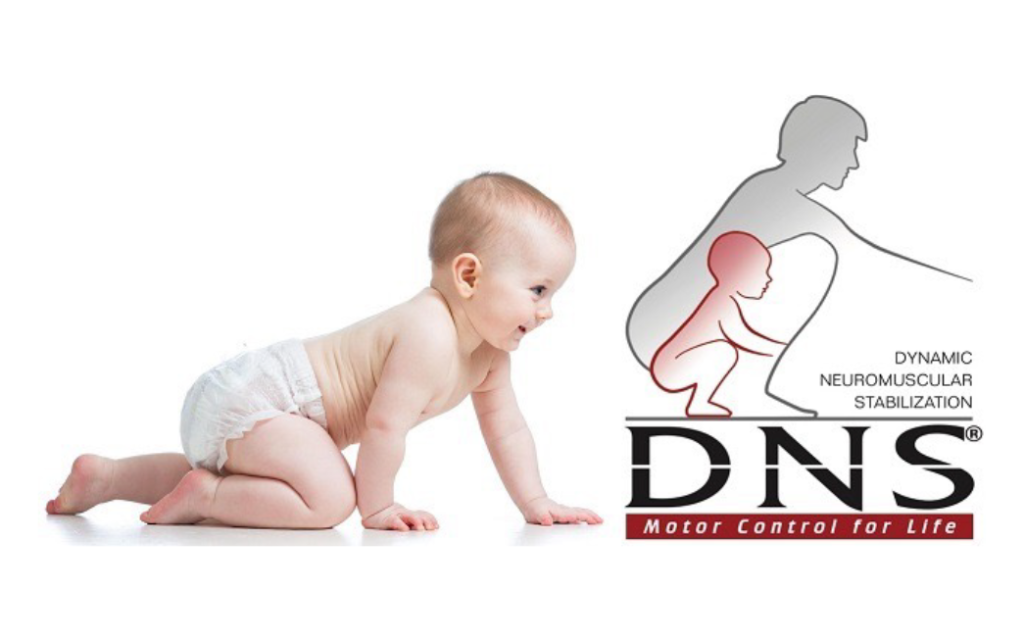
How Does DNS Work?
DNS exercises use specific developmental positions and movement patterns to encourage coordinated activation of the diaphragm, abdominal muscles, spinal stabilizers, and other muscles involved in postural control.
Rather than focusing only on the painful area, the physiotherapist assesses how breathing, posture, joint position, stability, and movement patterns may contribute to the patient’s symptoms or functional limitations.
Benefits of Dynamic Neuromuscular Stabilization (DNS)
DNS may help to:
- Improve core and trunk stability
- Develop better posture and movement control
- Improve coordination between breathing and movement
- Improve balance and functional movement
- Support rehabilitation following musculoskeletal injuries
- Help manage persistent or recurring lower back and neck pain
- Improve movement efficiency during exercise and sport
- Support a safe and progressive return to physical activity
Who is DNS For?
DNS may be incorporated into physiotherapy programmes for people with:
- Persistent or recurrent back or neck pain
- Poor postural or trunk control
- Movement or stability difficulties
- Musculoskeletal and sports-related injuries
- Reduced movement efficiency during exercise or daily activities
- Rehabilitation needs following injury or periods of reduced activity
DNS can also be used with athletes and active individuals to improve movement control, stability, coordination, and movement efficiency as part of a broader rehabilitation or performance programme.
Individualized DNS Treatment
DNS treatment is individually adapted by a physiotherapist according to your symptoms, physical examination, movement patterns, functional limitations, activity level, and rehabilitation goals.
Depending on your condition, DNS may be combined with manual therapy, strengthening, mobility exercises, balance and coordination training, and other physiotherapy techniques as part of a comprehensive rehabilitation programme.
Not every exercise or DNS position is appropriate for every patient. A physiotherapy assessment helps determine the most suitable treatment approach for your individual condition.


